

Le Chiquito or Le Bambino? How to Choose Your Jacquemus Bag
Ask people to name a Jacquemus bag and most will name one of two: Le Chiquito or Le Bambino. Same designer, same obsession with proportion — and almost opposite answers to the question of what a bag is for.
Here's how they differ, what to check on each, and how to decide.
Le Chiquito: The Bag That Started a Conversation
Chiquito is Spanish for "tiny", and the name was never an exaggeration. The bag first appeared on the runway in 2017, and within a year it had gone viral — the piece that turned Simon Porte Jacquemus from an insider's label into a name people recognised.
The brand then pushed the joke further. For Fall/Winter 2019 it presented Le Mini Chiquito, a bag so small it launched a wave of memes. Today the family runs from micro sizes up to Le Grand Chiquito, with Moyen, Long and Noeud variations in between.
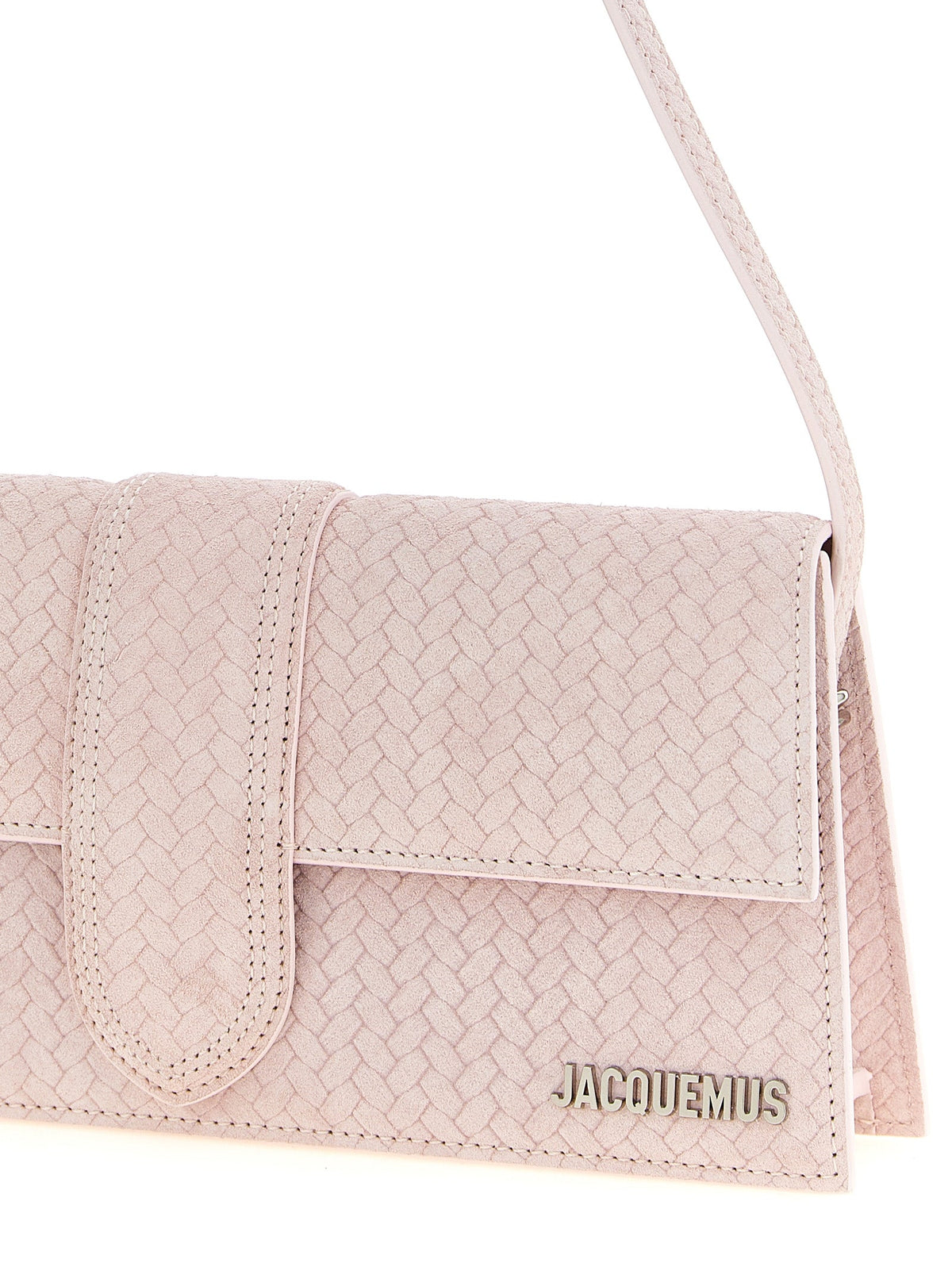
The signature never changed: a structured, slightly trapeze-shaped body, a rolled top handle and a small metal logo plaque.
Le Bambino: The Everyday Answer
Bambino is Italian for "little one", and the name fits a different personality. Arriving after the Chiquito, the Bambino is a cleaner, rectangular flap bag with a more visible metal logo plaque and a strap for shoulder or crossbody wear, depending on the size.
Where the Chiquito is a statement you plan an outfit around, the Bambino is designed to be used — with noticeably more usable space, size for size.
Side by Side
- Shape: the Chiquito is structured and slightly trapeze, built around its rolled handle; the Bambino is a clean rectangle with a front flap.
- Space: the smallest Chiquitos hold very little, by design; the Bambino gives more room in comparable sizes.
- How it's carried: the Chiquito mostly by its top handle or on its thin strap; the Bambino on the shoulder or across the body.
- Branding: both carry a small metal plaque; on the Bambino it's more prominent.
- Best for: the Chiquito for evenings and outfits built around one statement piece; the Bambino for everyday life.
What to Check on Either One
The handle. On a Chiquito, the rolled handle should be firm and evenly rolled along its whole length, with clean stitching where it joins the body.
The plaque. Lettering should be crisp and evenly engraved, the plaque straight and centred.
The structure. Both are structured designs: sides should be straight and symmetrical, and the bag should hold its shape when empty.
The leather. A smooth, even finish, with neatly painted edges and no bubbling or cracking.
The interior. Clean lining and a legible, well-spaced brand stamp.
So, Which One?
If you carry very little and want the bag people recognise across a room, choose the Chiquito. If you want a Jacquemus you'll reach for every day, choose the Bambino. And if you're torn, start with the Bambino — the Chiquito makes more sense as a second bag than a first.
At Aulæ
Both families appear in our Jacquemus selection as pieces come in, so the collection page shows what's available today. Every piece comes with a certificate of authenticity.
For structured mini bags from other houses, compare our handbags and shoulder bags. And for another bag defined by one person's story, read about the woman behind the Saint Laurent Loulou.

Leave a comment
This site is protected by hCaptcha and the hCaptcha Privacy Policy and Terms of Service apply.